
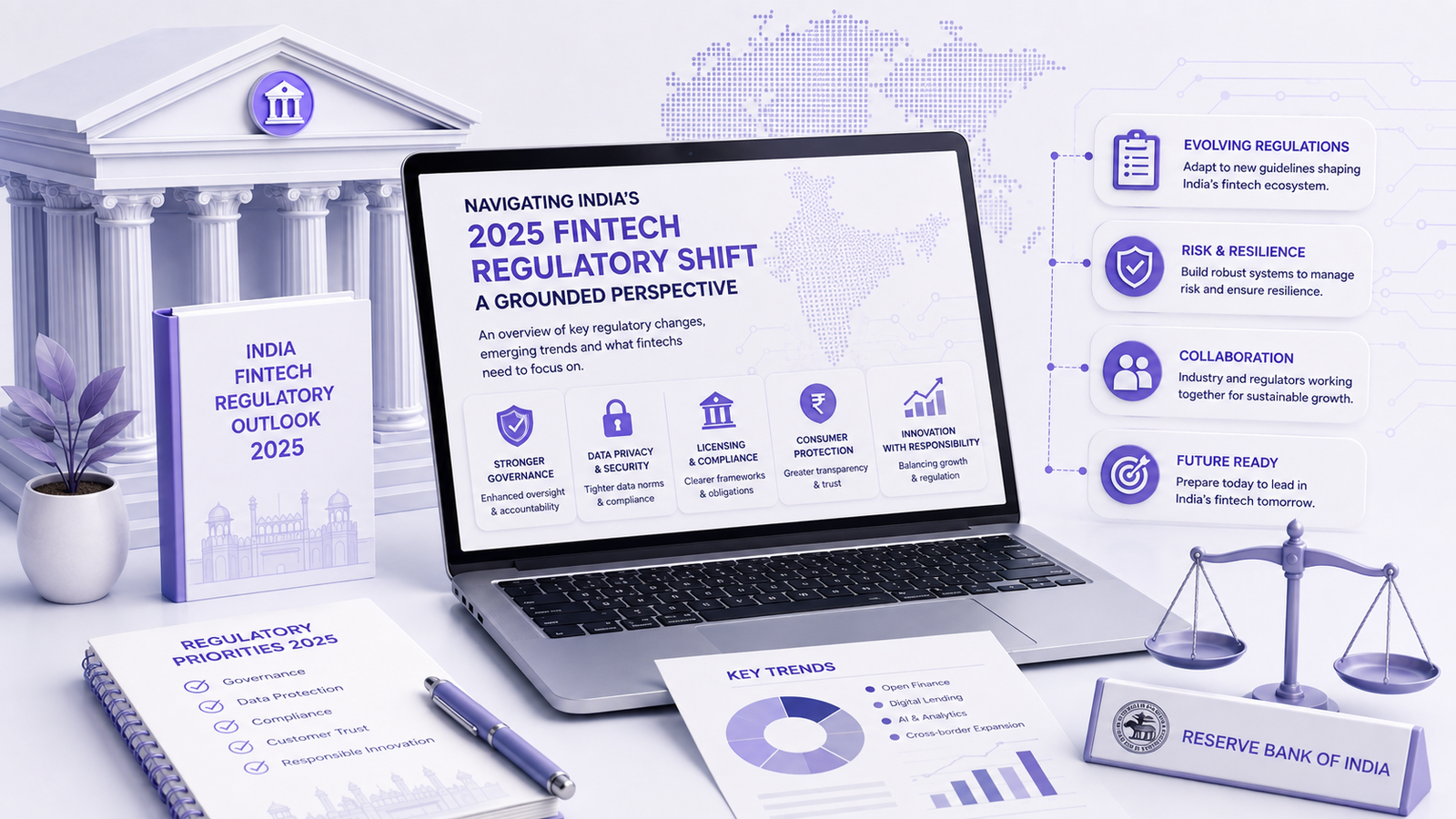
Navigating India’s 2025 Fintech Regulatory Shift:
A Grounded Perspective
India’s fintech sector is at a pivotal moment in 2025, with regulatory updates reshaping digital lending, cybersecurity, and customer onboarding. These changes, driven by the Reserve Bank of India (RBI) and other authorities, aim to protect consumers and build trust, but they also challenge fintechs to adapt without losing their innovative edge. In this newsletter, we explore the key shifts, back them with hard numbers, and offer practical insights for stakeholders navigating this new landscape.1. Digital Lending Directions (May 2025)
Analyzing bank statements is crucial for various reasons, including:
What’s new?InMay 2025, the RBI introduced the “Digital Lending Directions, 2025,” consolidating previous guidelines into a unified framework for all digital lending applications. Picture a small business owner in Tier-2 India applying for a quick loan via a fintech app – these rules now govern that process with precision. Key requirements include:
- Mandatory app registrationwith the Centralised Information Management System (CIMS).
- Transparent disclosuresvia Key Facts Summaries, detailing APR, loan tenure, and fees (CCL NLUO).
- Clear contractsbetween regulated entities (like banks and NBFCs) and Lending Service Providers, defining data protection and grievance redressal responsibilities (TrailBlazer).
The catch:Compliance isn’t cheap. Smaller fintechs, like a startup offering microloans in rural areas, may struggle with the costs of CIMS integration, data localization, and audit trails. Standardized UX rules and cooling-off periods might also slow down fast-moving products like Buy Now, Pay Later (BNPL), risking delays in market launches.
2. Cybersecurity Crackdown (July 2025)
What’s happening?InJuly 2025, regulators doubled down on AI-driven fraud prevention, targeting deepfake scams that exploit voice and video. Imagine a fraudster using just 30 seconds of a CEO’s voice to authorize a fake transaction – this is the reality regulators are tackling.
By the numbers
- India faces projected₹70,000 crore(~USD 8.4 billion) in deepfake-related losses in 2025 (Wikipedia).
- Deepfake fraud has surged550% since 2019, with sophisticated attacks growing rapidly (ET Edge Insights).
- Globally, Q1 2025 sawUSD 200 millionin deepfake fraud losses in North America alone, up1,740%from 2022–23 (World Economic Forum).
- A Deloitte study found deepfake attempts occurringevery five minutesin 2024 (Entrust).
The hurdles
- Fragmented defenses: Expecting every fintech to build its AI-powered fraud detection is inefficient. Collaborative platforms could pool resources for better results.
- Cost barriers: Advanced detection tools are expensive, potentially out of reach for smaller players unless shared infrastructure emerges.
- Skill gaps: Constantly evolving threats require specialized teams, which many fintechs lack.
3. KYC & Onboarding Overhaul (2025)
What’s improved?New rules in 2025 streamline onboarding with non-face-to-face (NFF) and video-based KYC (V-CIP), alongside traditional methods. For a farmer in a remote village, this means opening a bank account via a smartphone video call – a game-changer for inclusion.
The upside
- Wider reach: Video KYC reduces barriers, bringing financial services to underbanked regions.
- Faster processes: AI-driven ID verification cuts onboarding time compared to manual checks.
The risks
- Deepfake vulnerabilities: Lighter KYC processes could be exploited by synthetic identities without robust fraud detection (CCL NLUO).
- Compliance strain: Speedy onboarding increases pressure on anti-money laundering (AML) teams to spot suspicious transactions, risking regulatory penalties.
4. Default-Loss Guarantee (DLG) Shift (May 2025)
The changeAs ofMay 27, 2025, NBFCs can no longer rely on fintech-provided default-loss guarantees for stressed loans (Mondaq).
What it means Fintechs that once offset loan defaults through DLGs now face higher financial risks. For example, a fintech offering small-ticket loans to gig workers must now rethink its risk models, potentially impacting its balance sheet. This shift could force a recalibration of lending partnerships, with NBFCs and fintechs needing deeper capital reserves.Striking a Balance: Protection Meets Innovation
India’s 2025 reforms are a bold step toward a safer, more transparent fintech ecosystem. But success hinges on collaboration and pragmatism. Here’s how to move forward:
- Regulatory sandboxes: Phased rollouts tailored to fintech scale can nurture innovation while ensuring compliance.
- Shared cyber defenses: Consortiums for AI fraud detection and threat intelligence can level the playing field for smaller players.
- Smarter KYC: Pair video KYC with AI fraud scoring and consent-based verification to block synthetic identities.
- Risk-sharing models: Revisit DLG bans to create structured partnerships between fintechs and NBFCs, balancing risk and growth.
- Open dialogue: Regular forums with fintech leaders can keep regulations agile and responsive to new risks.
The Road Ahead
TheMay–July 2025 regulatory wavereflects India’s ambition to build asecure, inclusive, and innovativefintech ecosystem. The challenge now is execution – turning mandates into practical solutions. By fostering collaboration and embracing shared infrastructure, India can lead the way in digital finance.
References
- Digital Lending Directions, May 2025: CIMS, KFS, LSP agreements (arXiv, The Digital Fifth, The Economic Times, TrailBlazer, CCL NLUO)
- Deepfake fraud: ₹70,000 crore estimate; 550% growth since 2019 (ET Edge Insights)
- Deloitte: 1 deepfake attempt every 5 minutes (Entrust)
- 3.6% delinquency in fintech loans, March 2025 (CCL NLUO)
- NBFC DLG directive, May 27, 2025 (The Economic Times)
- UPI stats & fraud context (Wikipedia)
For more intriguing & popular articles on India’s financial sector,Subscribeto our newsletter#FintechInsiderright away.